
Welcome to the Dramaturg Diaries
This project combines the theatrical field of dramaturgy with the instructional method of creating jackdaws — two practices which are both used to immerse artists and readers in the worlds of literature and history — to create resource guides detailing the backgrounds and cultural impacts of popular works of musical theatre and provide theatre educators with the tools to spark richer literary conversations. Named for the bird, Jackdaws in literature are “collections of interesting artifacts that help to provide information about a particular subject, period, or idea” to help build students’ background knowledge on a subject (Rasinski, 1983). Dramaturgy, similarly, is a field that combines literary analysis, history, and sociology to provide robust background knowledge on a theatrical production (LMDA, n.d.). In doing so, this project provides theatre educators with the tools to scaffold students’ learning and model in-depth textual analysis.
Musical theatre – in all its glitzy, gaudy glory – is the first truly American art form, and we must take its history seriously. Every musical produced has a rich story behind the written page, worthy of investigation. Before ever reaching the stage, every musical has a rich history of hundreds of creatives making individual choices – sometimes across centuries – to bring a story to life. In researching their histories, may students be reminded that they, too, are in that line of creatives.
About the Methodology
-
Dramaturgs are the oft-unsung heroes of a theatrical production – the secret keepers of the story. According to the Literary Managers and Dramaturgs of the Americas (LMDA):
“[D]ramaturgs contextualize the world of a play; establish connections among the text, actors, and audience; offer opportunities for playwrights; generate projects and programs; and create conversations about plays in their communities” (LMDA, n.d.).
New York University’s Tisch School of the Arts defines dramaturgy as “the theoretical and practical investigation of the full life of a dramatic work,” from its ideation to production to legacy, “and the various steps and processes in between” (n.d.). According to Tisch’s dramaturgy scholars, “any time spent making, enacting, designing, criticizing, studying, or supporting the creation of dramatic worlds is an engagement with dramaturgy” (NYU, n.d.). Dramaturgs and theatrical literary managers often have educational backgrounds in history, sociology, art, linguistics, and literature to help directors, playwrights, and composers bring their visions to life (Berklee, n.d.). According to Berklee College of Music:
“It’s the dramaturg's job to know as much as possible about the play at hand, including its themes, language, period, history, music, and even past stagings, and to hold the current production to a high standard of historical and textual accuracy” (n.d.).
In an interview with DC Theater Arts, acclaimed Broadway dramaturg Ken Cerniglia compared his role to that of a “a book editor or film editor–someone who works with the creators to try to deliver the best possible product in respect to text, context, and structure of meaning” (Loria, 2021). He told MusicalWriters.com, “part of my job is to bring relevant historical facts into the creative discussion to enable informed decisions,” and to “bring a critical sensibility to the work” (Reed, 20).
-
Named for the British bird, jackdaws are “collections of interesting artifacts that help to provide information about a particular subject, period, or idea” to help build students’ background knowledge on a subject (Rasinski, 1983, p. 4). A jackdaw might include:
Clothing from the text or its setting, “represented in a catalogue, paper dolls, collages, old photos, etc.” (Rasinski, 1983, p. 7).
Music, art, and popular culture from the text or its setting
News and advertisements from the text or its setting
Timelines of the text’s events and any real-world events mentioned
Maps of the text’s setting
Food and recipes from the text or its setting
A glossary of “interesting or peculiar words found in the book” (Rasinski, 1983, p. 8)
Dioramas or visual representations of scenes from the text
Biographies of the text’s authors or creators
Additional art, literature, and media that reflect the text’s story, theme, or characters that “students can read in order to extend their literacy experiences” (Rasinski, 1983, p. 8)
According to Rasinski, “the main criteria to be used in selecting an item for the jackdaw are these: it must be related to the book in some definite way; and the item must have some interest, value, or attraction for the students” (1983, p. 8). There is much overlap in creating a jackdaw and conducting dramaturgy; one collects authentic artifacts to build the world of the story. In fostering knowledge in this world, the reader or theatre artist becomes more invested in the story.
Jackdaws have long been heralded as an effective tool to immerse students in literature and history (Rasinski, 1983; Dodd, 1999; Gibson, 2025). These resources are especially effective “when joined with historical fiction,” because they “help children recognize that history contains relics and stories of real people, places, and events” (Dodd, 1999, p. 137). Thus, jackdaws can help students to acknowledge the history and culture that exists all around them and their communities.
Explore the Show Guides
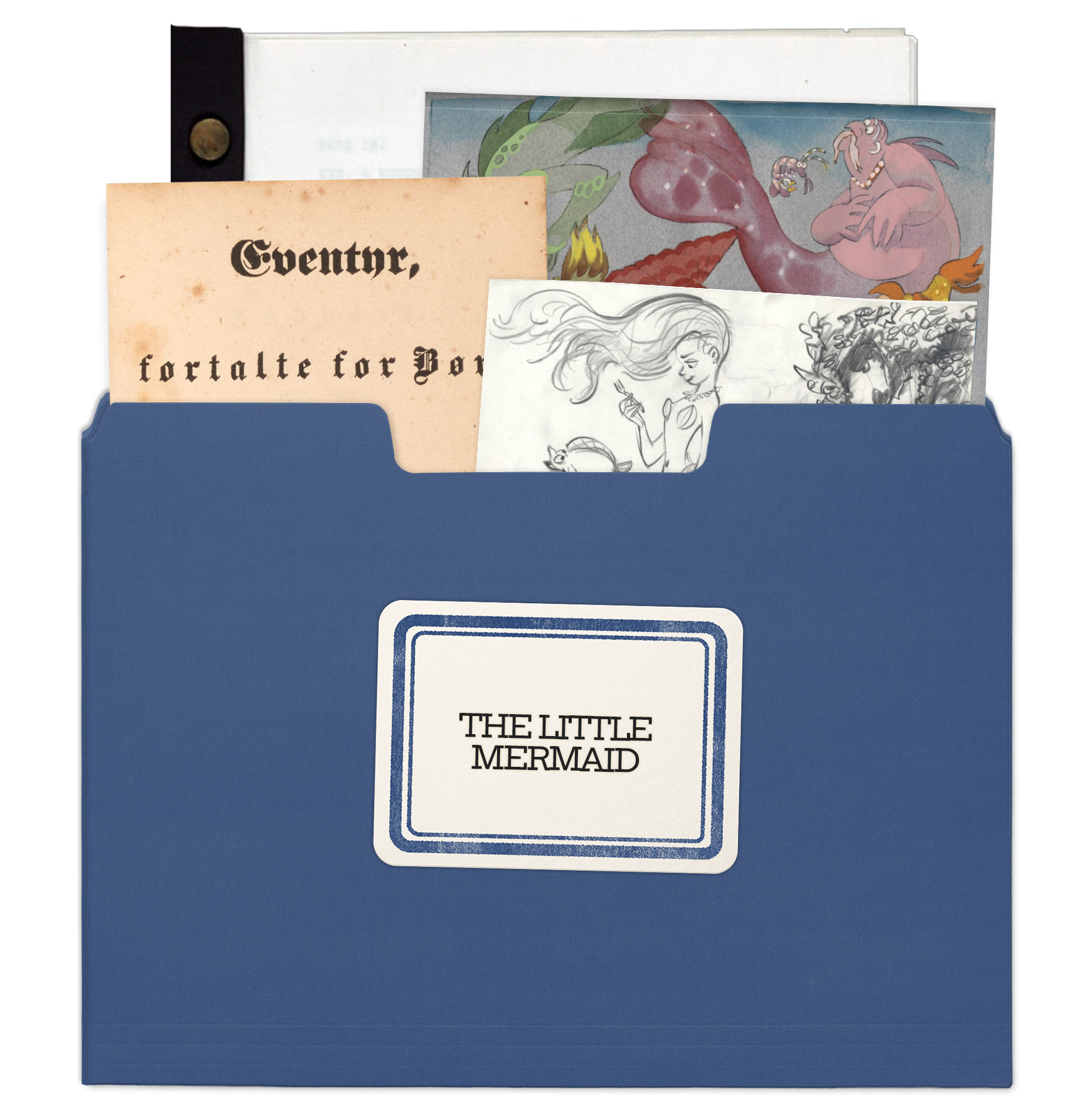
The Little Mermaid
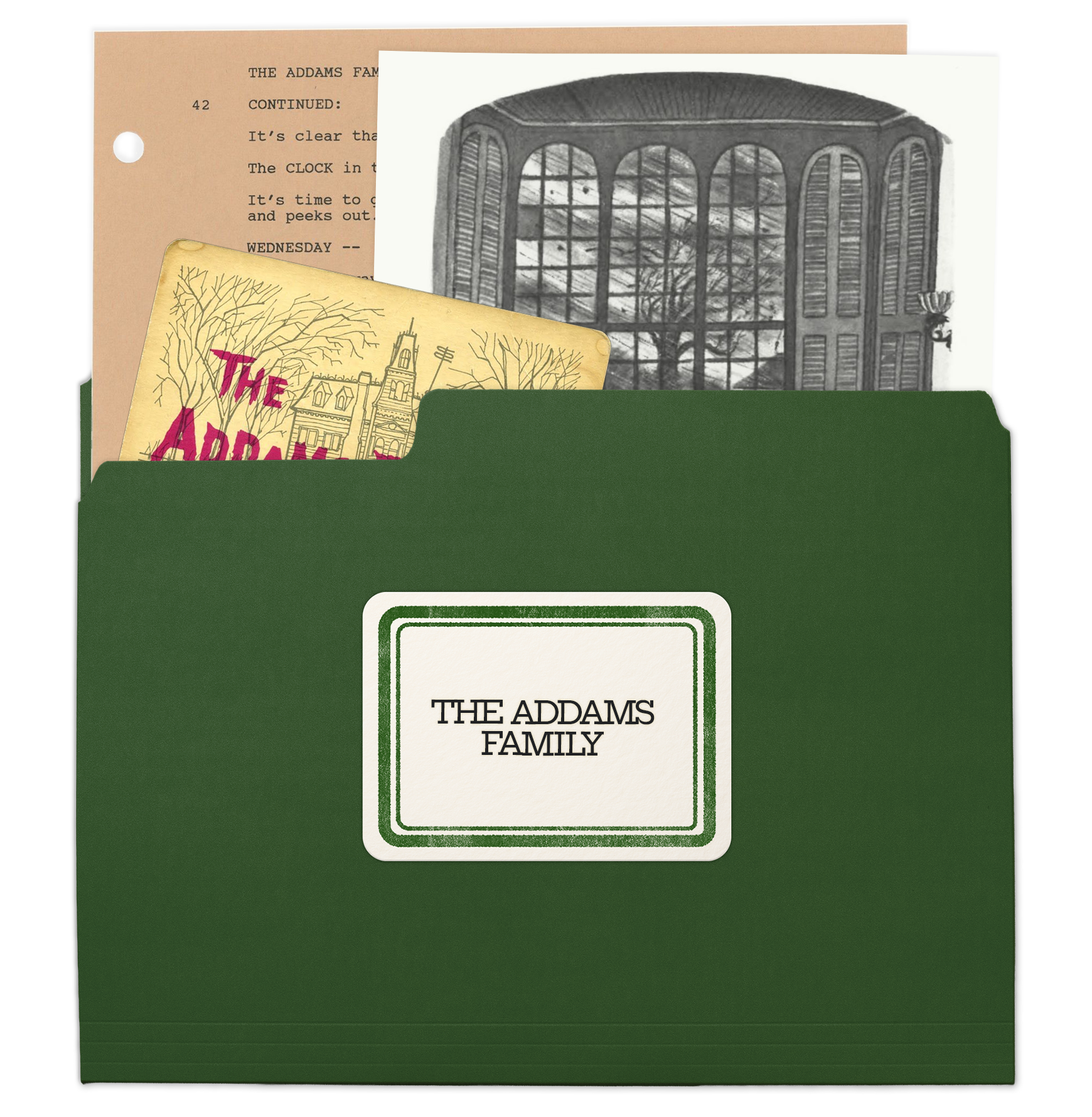
The Addams Family